
Fire Pit Landscaping Guide: Safe Design, Setup, and Placement Tips
Introduction: There’s something timeless and inviting about gathering around a fire pit. Whether it’s the crackle of wood, the glow of flames, or the warmth it provides on a cool evening, fire pits have become a favorite addition to outdoor living spaces. But to truly enjoy one safely and beautifully integrated into your landscape, you need more than just matches and marshmallows. A carefully planned fire pit design with smart placement and safety-conscious setup ensures that your backyard centerpiece enhances both the form and function of your landscape. In this guide, we’ll walk you through essential tips for fire pit landscaping, covering everything from site selection and materials to compliance and safety.
Fire Pit Design in Landscaping
Choosing the Right Fire Pit Style
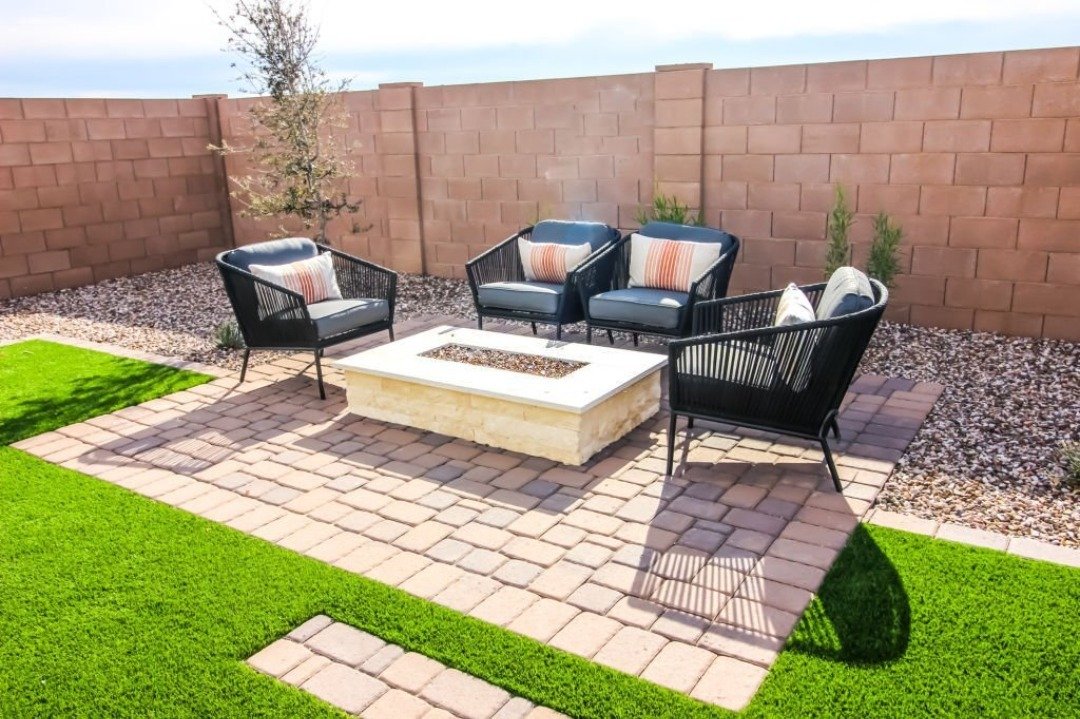
When designing a fire pit for your landscape, the first decision revolves around the style and type of pit you want. Homeowners typically choose between built-in or portable units, and between wood-burning or gas-fueled designs. Built-in fire pits tend to blend more seamlessly into the hardscaping of your patio or yard and are often made from stone, pavers, or concrete. These are ideal if you want a permanent feature that complements other landscaping elements like retaining walls or seating areas. Portable fire pits, on the other hand, are more flexible and can be moved or stored as needed. Gas fire pits offer convenience and cleaner burning, while wood-burning ones provide a more traditional, rustic experience. The choice depends on your lifestyle, design goals, and how often you’ll use it.
Selecting Heat-Resistant Materials
Material choice is critical when constructing a fire pit, not just for appearance but also for safety and durability. Landscape professionals often recommend high-heat-rated materials such as fire brick, lava rock, or steel inserts to line the interior of the fire pit. These materials can withstand repeated exposure to open flames and intense heat without cracking or deteriorating. The exterior can be finished in stone or decorative concrete to complement your yard’s design. Choosing the wrong materials—like regular bricks or river rock—can lead to dangerous situations, as they may explode or degrade over time under high heat.
Fire Pit Placement Guidelines
Safe Distance and Location
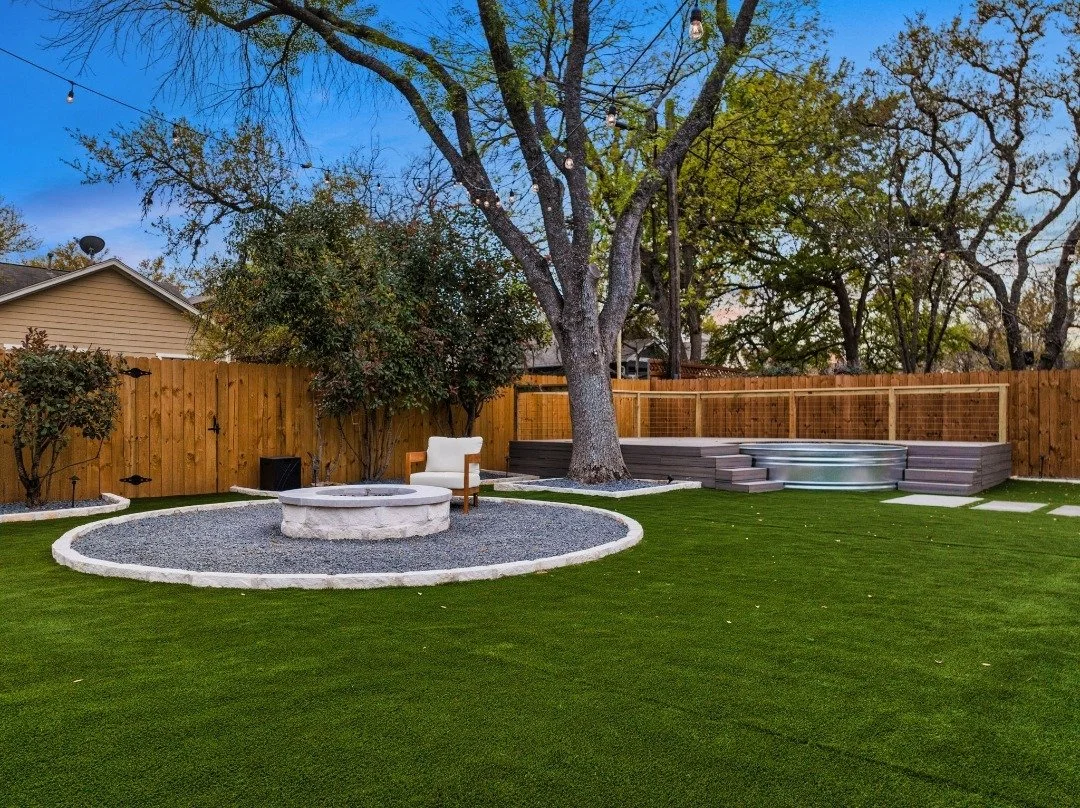
Proper placement of your fire pit is essential for safety and functionality. Most safety guidelines recommend installing a fire pit at least 10 to 30 feet away from any structures, fences, trees, or other combustible materials. This buffer zone helps prevent fires from spreading and ensures smoke won’t drift directly into your home or neighbors' spaces. It’s also important to place your fire pit on a non-flammable, level surface such as gravel, stone, or concrete. Avoid installing directly on grass, wood decks, or any uneven ground. If your yard is sloped, consider incorporating a retaining wall or leveling pad as part of your landscaping plan.
Considering Wind and Views
Wind direction plays a large role in both comfort and safety when enjoying your fire pit. A poorly placed fire pit that sits in a natural wind tunnel can lead to uncontrolled flames, flying embers, or a frustrating experience trying to keep a fire lit. During your planning phase, observe how wind moves through your backyard. Ideally, your fire pit should be located in a spot that offers natural wind protection or allows you to build in windbreaks with shrubs, walls, or screens. It’s also worth thinking about sightlines—placing the fire pit where it offers the best view of your garden or where it becomes a central feature of your yard.

Fire Pit Safety and Local Regulations
Know Your Local Codes
Before you ever break ground on a fire pit, it’s crucial to check with your local municipality or fire department about fire pit regulations. Many areas have restrictions on fire size, fuel types, and even seasonal use due to wildfire risks. Codes may also require a spark screen, fire ring insert, or setbacks beyond the typical 10 feet. Permits may be required, particularly for gas fire pits that tie into your home’s utility lines. By staying informed, you’ll avoid fines and ensure that your installation is legal and safe.
Year-Round Fire Pit Maintenance
Once your fire pit is installed, regular maintenance is key to keeping it safe and functional. Remove ash buildup and clean surfaces after every few uses. Check gas lines for leaks if you have a gas-fueled model, and replace weather-worn parts as needed. Keep a fire extinguisher or hose nearby, and never leave a burning fire unattended. Cover your pit when not in use to protect it from rain and debris, which can corrode metal parts or create unsafe conditions for lighting future fires.
Conclusion
A well-designed and safely placed fire pit can elevate any outdoor space into a warm, inviting retreat. From selecting the right materials and fuel type to following local regulations and placing it thoughtfully within your landscape, every detail matters. With a bit of planning and a commitment to safety, your backyard fire pit will provide years of enjoyment, transforming your outdoor space into a place where memories are made. Whether you're roasting marshmallows, enjoying an evening drink, or simply unwinding by the firelight, your fire pit will become a beloved feature that blends comfort, functionality, and style. Get in touch with us to learn more about your fire pits.